

When considering adding a furry friend to your household, especially if you’re seeking a small, gentle, and intelligent companion, the question “Is a Chihuahua a good house dog?” might come to mind.
Chihuahuas, with their compact size and lively personalities, are often celebrated for their loyalty and adaptability to apartment living. Let’s dive into the various aspects of owning a Chihuahua to help you make an informed decision.
1. General Characteristics and Temperament
Chihuahuas are fascinating little dogs with a unique set of characteristics that make them stand out among other breeds. Let’s explore these features and how they compare to other small breeds:
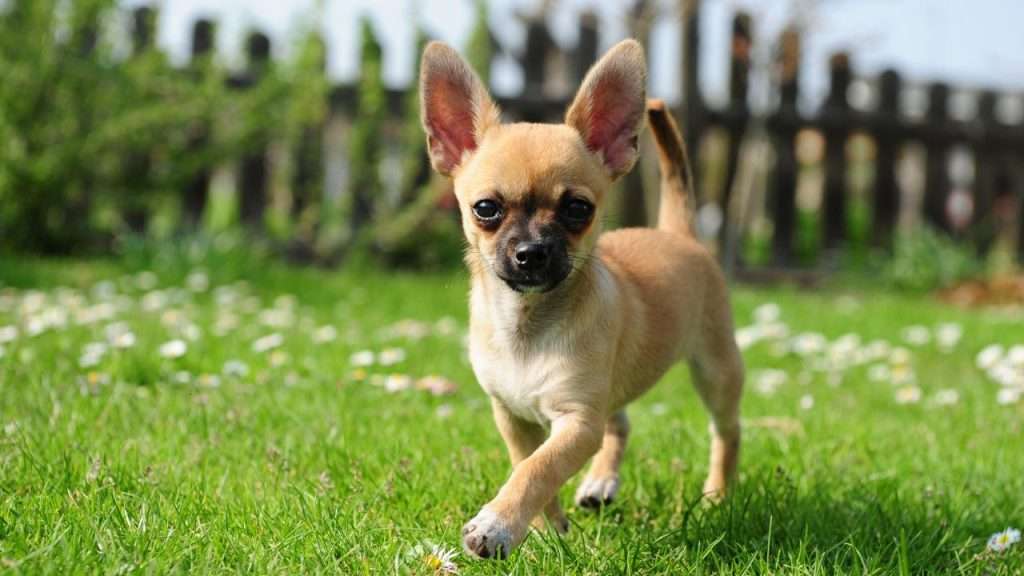
Size: Chihuahuas are among the smallest dog breeds, typically weighing between 2 to 6 pounds and standing about 6 to 9 inches tall.
Appearance: They have distinct features, including a rounded “apple” head, large expressive eyes, and erect ears. Their coat can be either short or long, and they come in a variety of colors and patterns.
Lifespan: With proper care, Chihuahuas can live between 12 to 20 years, making them one of the longer-lived dog breeds.
Are Chihuahuas Known to Be Friendly?
Chihuahuas have a reputation for being both affectionate and protective, which can sometimes be misunderstood as aggression. Their temperament often depends on factors such as genetics, socialization, and training. Here are some key points:
Loyalty and Affectionate: Chihuahuas are known for forming strong bonds with their owners. They often enjoy cuddling and being close to their human companions.
Protective Nature: Due to their loyalty, Chihuahuas can be quite protective, sometimes displaying suspicion or wariness toward strangers. Proper socialization can help mitigate overly protective behaviors.
How Does the Temperament of a Chihuahua Compare to Other Small Breeds?
Chihuahuas share some common traits with other small breeds but also have unique characteristics:
Boldness and Confidence: Like many small breeds, Chihuahuas have a confident and sometimes feisty demeanor. This boldness is often seen in breeds like the Dachshund or the Miniature Pinscher.
Sensitivity: Chihuahuas can be sensitive to their environment and the emotions of their owners, similar to breeds like the Papillon or the Pomeranian.
Trainability: While intelligent, Chihuahuas can be independent-minded, making them similar to breeds like the Yorkshire Terrier. Positive reinforcement and patience are key to successful training.
Social Needs: Chihuahuas thrive on companionship and attention, much like the Cavalier King Charles Spaniel, and may not do well if left alone for extended periods.
Overall, Chihuahuas can be delightful companions for those who appreciate their unique personalities and are committed to providing the socialization, training, and care they need.
2. Suitability for Different Living Situations
Chihuahuas can be a great choice for various living situations, but it’s important to consider their specific needs and personalities. Let’s explore their suitability for apartment living, cohabitation with other pets, and compatibility with families with young children:
Are Chihuahuas Good for Apartment Living?
Yes, Chihuahuas are a great dog and are well-suited for apartment living due to their small size and relatively low exercise requirements. Here are some reasons why they thrive in apartment settings:
Space Requirements: Chihuahuas don’t need a lot of space to move around, making them perfect for smaller living areas. They can get much of their exercise indoors through play and short walks.
Noise Levels: While Chihuahuas can be vocal, proper training can help manage excessive barking, which is important in close quarters like apartments.
Lifestyle Adaptability: As long as they receive sufficient attention and mental stimulation, Chihuahuas adapt well to various lifestyles and environments, including urban settings.
How Do Chihuahuas Adapt to Living with Other Pets?
Chihuahuas can live peacefully with other pets, but their adaptability largely depends on their socialization and the temperament of the other animals in the household:
Early Socialization: Introducing a Chihuahua to other pets at a young age can foster positive relationships. Ensuring they meet a variety of animals early on helps them learn appropriate social behavior. Here at Sugar Sweet Georgia Puppies we make sure to socialize our puppies early.
Supervision and Patience: When introducing a Chihuahua to existing pets, it’s important to supervise interactions and allow time for adjustment. Gradual introductions can help prevent territorial disputes and encourage peaceful coexistence.
Size Considerations: Due to their small size, care should be taken when introducing Chihuahuas to larger pets to prevent accidental injury. Monitoring playtime and interactions is crucial.
Is a Chihuahua Suitable for Families with Young Children?
Chihuahuas can be a good fit for families with young children, but there are important considerations to ensure a harmonious relationship:
Fragility & Supervision: Chihuahuas are delicate dogs and can be easily injured by rough handling. It’s essential to teach children how to interact gently and respectfully with them.
Positive Interaction: Encouraging positive interactions, such as playing gentle games and rewarding calm behavior, can help build a strong bond between a Chihuahua and the children in the family.
Education: Educating children about the needs and boundaries of a Chihuahua can foster mutual respect and understanding.
In conclusion, Chihuahuas can thrive in apartment settings, live harmoniously with other pets, and be suitable companions for families with young children, provided that proper socialization, supervision, and education are prioritized. With the right care and attention, these little dogs can bring joy and companionship to a variety of living situations.
3. Training and Behavior
Training a Chihuahua can be a rewarding experience, though it may come with its own set of challenges due to their unique personality traits. Let’s dive into how easy it is to train a Chihuahua, common behavioral issues they may have, and their tendency to bark excessively:
How Easy is it to Train a Chihuahua?
Chihuahuas are intelligent dogs, which can make them quick learners. Using positive reinforcement techniques, such as treats, praise, and play, can be very effective in training Chihuahuas. Consistency and patience are key to overcoming their occasional stubbornness. Starting training and socialization early in a Chihuahua’s life is crucial for developing good behavior and reducing fearfulness or aggression.
Overall, while Chihuahuas can present some training challenges, but with patience, consistency, and the right techniques, they can learn to be well-behaved companions.
4. Exercise and Activity Needs
While Chihuahuas don’t need extensive exercise, regular walks and playtime are essential to keep them healthy and happy. Interactive toys and games that stimulate their minds are also beneficial.
Chihuahuas, despite their small size, have energy and enthusiasm that require attention through regular exercise and mental stimulation. Here’s an overview of their exercise needs and some suitable activities or games:
How Much Exercise Does a Chihuahua Require?
Chihuahuas typically need around 30 minutes of exercise per day. This can be broken into shorter sessions, making it easier to fit into a daily routine. Balance is Key. Monitoring their energy levels and adjusting activity accordingly is crucial.
In addition to physical exercise, mental stimulation is equally important for keeping a Chihuahua healthy and happy. Engaging their minds can help prevent boredom and related behavioral issues.
What are Some Suitable Activities or Games for a Chihuahua?
Short Walks: Regular short walks around the neighborhood are great for Chihuahuas. They love exploring new scents and sights, and it’s an excellent way to expend some energy.
Indoor Play: Chihuahuas can get plenty of exercise indoors. Games like fetch with a soft toy or a gentle tug-of-war can be enjoyable and stimulating.
Puzzle Toys: Interactive toys and puzzles challenge a Chihuahua’s mind and provide mental exercise. These toys often involve treats, which can be a great motivator.
Training Sessions: Incorporating short training sessions into their routine not only reinforces good behavior but also provides mental stimulation. Teaching new tricks or commands can be both fun and rewarding.
Social Playdates: If your Chihuahua is well-socialized, arranging playdates with other small, friendly dogs can be a great way to burn off energy and encourage social interaction.
Hide and Seek: This simple game can be played indoors or in a secure outdoor area. Hide and call your Chihuahua, rewarding them when they find you. It’s a fun way to engage them physically and mentally.
Overall, the key to keeping a Chihuahua happy and healthy is a combination of regular, moderate physical exercise and plenty of mental enrichment. Tailoring activities to their individual preferences and energy levels will ensure they remain active and content companions.
5. Health and Care
Chihuahuas are a relatively healthy breed, but like all dogs, they can be prone to certain health issues. Regular veterinary care and proper grooming are essential to ensure their well-being. Here’s a closer look at veterinary check-up frequency, and grooming needs:
How Often Do Chihuahuas Need Veterinary Check-Ups?
Puppies: Young Chihuahuas should visit the vet frequently for vaccinations and health checks, typically every few weeks until they complete their vaccination schedule. At sugar sweet georgia puppies all our puppies are up to date with their vaccinations.
Adults: Adult Chihuahuas should have a veterinary check-up at least once a year. These visits allow for regular monitoring of their health, vaccinations, and dental care.
Seniors: As Chihuahuas age, more frequent vet visits, about every six months, may be beneficial to monitor for age-related health issues and adjust care as needed.
What Kind of Grooming and Maintenance Do Chihuahuas Require?
Coat Care: Chihuahuas come in both short-haired and long-haired varieties. Short-haired Chihuahuas require minimal grooming, but regular brushing helps reduce shedding. Long-haired Chihuahuas need more frequent brushing to prevent tangles and mats.
Bathing: Regular baths, about once a month or as needed, keep the coat clean and healthy. Be sure to use a gentle dog shampoo to avoid skin irritation.
Nail Trimming: Regular trimming of nails is essential to prevent overgrowth and discomfort. Depending on their activity level, nails may need trimming every few weeks.
Ear Cleaning: Checking and cleaning the ears regularly helps prevent infections. Use a vet-recommended ear cleaner and avoid inserting anything deep into the ear canal.
Dental Care: Daily brushing of their teeth and providing dental treats can help maintain oral health and prevent dental diseases.
Overall, with proper care, regular veterinary visits, and attention to grooming, Chihuahuas can lead healthy and happy lives. Being aware of their specific health needs ensures they receive the best care possible.
6. Socialization and Interaction
Chihuahuas are known for their loyalty and strong bonds with their owners, but their socialization with strangers can vary depending on their individual personality and socialization experiences. Here’s how they generally socialize with strangers and steps you can take to ensure they are well-socialized:
How Well Do Chihuahuas Socialize with Strangers?
Due to their protective instincts, some Chihuahuas may be wary or alert around strangers. This can manifest as barking or cautious behavior when new people are around. While some Chihuahuas are naturally more outgoing and friendly, others might be shy or reserved. Positive exposure to various people, environments, and situations helps them develop trust and reduces fearfulness.
Continue exposing your Chihuahua to new experiences throughout their life to maintain their social skills.
By investing time and effort into socializing your Chihuahua, you can help them become well-adjusted and confident companions who are comfortable around strangers and new situations.
Conclusion
Owning a Chihuahua is a long-term commitment that requires dedication. By being prepared for the ongoing costs, as well as understanding the time commitment involved, you can provide a loving and stable home for your Chihuahua throughout their life.
In conclusion, Chihuahuas can make excellent companions for the right owners. If you’re willing to invest time in training, socialization, and care, a Chihuahua might just be the perfect addition to your family. Consider your lifestyle and needs, and remember that every dog is unique, with individual quirks and qualities that make them special.
Ready to find a Chihuahua near you?
If you’re ready to bring a Chihuahua home and are looking for one from a local breeder then Sugar Sweet Georgia Puppies would love to help. Check out our available litters and book an appointment to visit our Bichonpoo in the store and take one home today.
Want puppy love delivered to your inbox?
Join our newsletter and get our FREE what to expect in your puppy’s first year eBook.
We’ll send you updates on new litters, fun facts, and cute videos you won’t be able to resist from opening your email.
